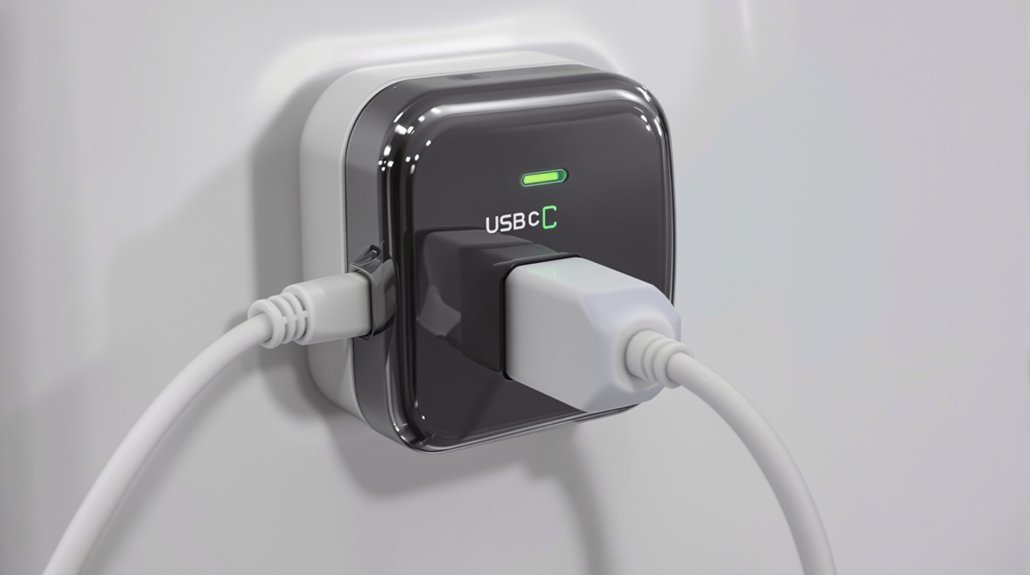

You’ve probably grabbed a charger off a gas station rack or borrowed one from a friend without thinking twice—but that small decision can affect your phone’s battery life, performance, and even your safety. Not all chargers are created equal, and the wrong one can cause overheating, slow degradation, or worse. The good news is that spotting a safe charger isn’t complicated once you know what to look for.
Key Takeaways
- Check for legitimate safety certifications like UL, CE, FCC, or ETL on the charger packaging and product itself.
- Ensure the charger’s voltage and fast-charging protocol match your phone’s specifications to prevent circuit damage.
- Avoid counterfeit chargers with unusually low prices, as they often lack essential voltage, thermal, and surge protections.
- Replace chargers immediately if you notice overheating above 60°C, burning smells, sparks, frayed cables, or melted components.
- Quality chargers include thermal protection, voltage regulation, and foreign object detection for wireless pads to ensure safe operation.
Understanding How Wired and Wireless Chargers Work
Whether you’re plugging in a cable or setting your phone on a wireless pad, the charging process relies on careful communication between your device and the power source.
Charging is a conversation between your device and power source—a silent handshake that keeps your battery safe.
With wired charging, your phone and charger perform a “handshake” to negotiate safe voltage and current levels. Standard chargers deliver 5 volts at 1–2.4 amps, while fast-charging protocols like USB Power Delivery can push up to 20 volts and 5 amps for quicker results.
Wireless charging works differently. It uses inductive coupling between coils in the pad and your phone, typically delivering 5–15 watts when aligned properly.
Both methods include built-in safeguards like thermal protection and voltage regulation. Your phone’s circuitry controls how much power it draws, so you won’t fry your battery with a higher-rated charger.
Key Safety Features Built Into Quality Chargers
Quality chargers don’t just push power to your phone—they actively protect it through multiple built-in safeguards. Voltage regulation keeps output within safe ranges—typically 4.75 to 5.25 volts for standard USB charging. When you’re using Power Delivery or Quick Charge, the charger negotiates higher voltages like 9V or 20V only after confirming your device supports them.
Thermal protection circuits monitor internal temperature and throttle output before components overheat. Surge protection handles unexpected voltage spikes, while short-circuit protection cuts current flow instantly during faults.
Look for certified chargers bearing UL, CE, or FCC marks—these indicate third-party safety testing. If you’re using wireless charging, Foreign Object Detection stops power transfer when metal objects land on the pad, preventing dangerous heat buildup.
Common Risks of Using Unsafe or Counterfeit Chargers
While saving a few dollars on a charger seems smart, counterfeit models pose real dangers to your phone and safety. These knockoffs typically lack voltage protection, thermal protection, and short-circuit safeguards. Without these features, unstable power spikes can fry your phone’s internal circuits permanently.
High-resistance cables compound the problem. They cause excessive heat buildup in both your phone and charger, accelerating battery degradation and raising fire risk. Cheap wireless chargers without foreign object detection can overheat dangerously when metal items like coins slip between the coils.
Counterfeit chargers often display fake certifications and mislabeled specs. Before you buy, verify legitimate markings like UL, CE, or FCC from reputable manufacturers. A $5 charger isn’t worth risking a $1,000 phone—or worse, your safety.
Why Voltage and Amperage Compatibility Matters
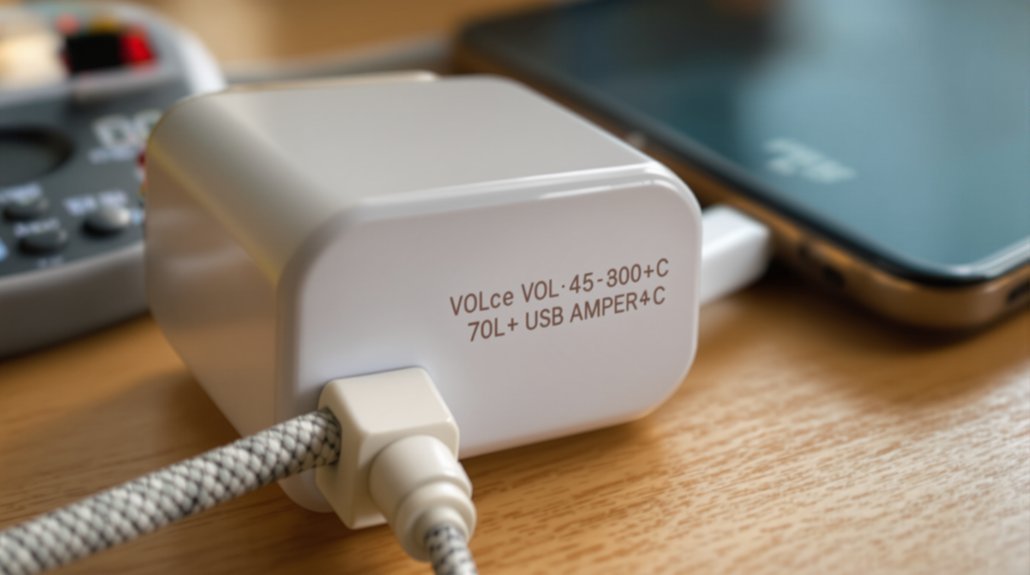
Because your phone relies on precise electrical input, understanding voltage and amperage compatibility isn’t just technical jargon—it’s essential for protecting your device. Standard charging typically uses 5V, while fast charging protocols like USB‑PD may negotiate 9V, 12V, or higher. Here’s the key: your phone must agree to that higher voltage first. Without proper negotiation, applying 12V to a 5V-expecting device can fry internal circuits.
Amperage works differently. A charger rated at 2.4A won’t force that current into your phone—your device only draws what it needs. So a higher-amp charger won’t cause damage if the voltage and protocol match. Device compatibility matters most for battery health. Use chargers supporting your phone’s specific fast charging standard, whether that’s USB‑PD, Quick Charge, or another protocol.
Warning Signs That Your Charger May Be Damaging Your Phone
Understanding voltage and amperage gives you the foundation, but knowing when something’s actually going wrong is equally important. Watch for overheating during charging—if your phone or charger feels hot above 50–60°C, poor voltage regulation may be stressing your battery.
Heat is your early warning system—a charger running hot signals voltage regulation problems before real damage occurs.
Intermittent charging or frequent disconnects often signal damaged cables or a failing charger.
Key warning signs to watch for:
- Persistent slow charging or USB voltage readings below 4.75V indicate inadequate power delivery
- Sparks, burning smells, or visible melting mean you should discard the charger immediately
- Strange phone behavior like touchscreen ghosting or random reboots during charging
Always check for safety certifications like UL or CE. Chargers lacking these marks may skip essential protections, putting your device at risk.
How to Identify Certified and Reputable Charger Brands
Since not all chargers are created equal, you’ll want to know how to spot the trustworthy ones before you buy. Start by checking for safety certifications like UL, ETL, CE, or FCC printed directly on the charger or packaging. These marks confirm third-party testing.
Stick with OEM brands or trusted accessory makers such as Anker, Belkin, or Samsung. They provide clear specs, verifiable model numbers, and solid warranties. Always confirm the output voltage and current matches your phone’s needs—look for labels showing figures like 5V/3A or 18W with USB-PD and Quick Charge support.
Purchase from authorized retailers to guarantee authenticity. Before checkout, scan customer reviews for real-world performance data, including temperature readings and voltage stability measurements.
Best Practices for Safe Charging Habits
Even the best charger won’t protect your phone if you’re using poor charging habits daily. Start by choosing chargers from reputable brands with safety certifications like UL or CE. These guarantee proper voltage levels and thermal protection. Always verify the charger is compatible with your device before plugging in.
Safe charging starts with smart choices—always pick certified chargers from reputable brands to protect your device.
Here are three habits that’ll keep your phone safe:
- Monitor temperature regularly—if your charger exceeds 60°C or smells like burning, replace it immediately.
- Inspect phone chargers monthly for frayed cables, cracked housings, or loose ports.
- Avoid unknown USB ports in public spaces; use your own trusted charger or power bank instead.
These simple steps take seconds but prevent real damage. Your phone’s battery will thank you.
When to Replace Your Phone Charger
Chargers don’t last forever, and knowing when yours needs replacing can prevent damage to your phone—or worse.
Replace your charger immediately if you notice sparks, smoke, a burning smell, or frayed wiring. These are serious warning signs.
Overheating beyond 60°C, discoloration, or melting also means it’s time for a new one.
Check for safety certifications like UL, CE, or FCC on any charger you use. Cheap, unbranded units without these markings pose real risks.
If your charger is over three to four years old with heavy use, consider replacing it even without visible damage.
Watch for inconsistent charging behavior or output voltage issues. If your phone charges slowly, cuts out randomly, or gets unusually hot, test with a different certified charger before continuing.
Frequently Asked Questions
How Do I Know if a Charger Is Safe for My Phone?
Check that your charger’s voltage regulation matches your phone—typically 5V for standard charging or 9V/12V for fast charging speed.
Look for safety certifications like UL or CE.
Inspect cable quality regularly; frayed wires are a red flag.
Keep your port cleanliness in check to guarantee proper connections.
Good user habits, like unplugging when fully charged, protect your battery health long-term.
If it runs hot or smells burnt, replace it immediately.
What Are the Chances of a Charger Catching Fire?
Your chances of a charger catching fire are very low if you’re using certified chargers with proper overcurrent protection.
Fires typically happen when manufacturing defects, aging insulation, or poor battery chemistry combine with a bad charging environment.
Thermal runaway—where heat builds uncontrollably—is the main culprit, but it’s rare with quality chargers.
You’ll reduce risk further by keeping chargers ventilated and replacing any showing damage.
How to Check if a Charger Is Ok?
Check your charger’s voltage stability with a USB power meter—you’ll want 4.75–5.25V for standard USB.
Inspect for connector corrosion, frayed wires, and make certain plug compatibility with your phone’s fast-charge protocol.
Test cable durability by wiggling connections during charging.
Compare charging speed to a known-good charger.
These steps protect your battery health.
Replace any charger that runs hot, smells burnt, or shows physical damage.
Can You Damage Your Phone by Using the Wrong Charger?
Yes, you can damage your phone with the wrong charger.
Using a charger that delivers incorrect voltage without proper firmware compatibility can harm your battery chemistry and internal circuits.
Aftermarket myths suggest any charger works fine, but cheap ones lack surge protection.
Practice good charging etiquette—stick with certified chargers matching your phone’s protocols.
This reduces connector wear and eliminates risky power cycling issues that shorten your device’s lifespan.
Bottom Line
You’ve got the knowledge—now put it to work. Stick with certified chargers from reputable brands, check for safety marks like UL and CE, and inspect cables regularly for damage. If your charger runs hotter than 50–60°C or shows any warning signs, replace it immediately. A quality charger costs far less than a damaged phone or, worse, a safety hazard in your home.