
Your car’s air filter quietly protects your engine from dust, debris, and contaminants—but it won’t last forever. Most filters need replacing every 12,000 to 15,000 miles, though driving on dirt roads or in heavy traffic can shorten that timeline considerably. The good news? You don’t need a mechanic to spot the warning signs. From visual clues to performance changes, there are clear indicators that tell you exactly when it’s time for a swap.
Key Takeaways
- A dirty air filter appears dark brown or black instead of its original white or cream color.
- Visible debris like dust, pollen, insects, or oil stains between the pleats signals replacement is needed.
- Noticeable drops in fuel economy and sluggish acceleration indicate restricted airflow from a clogged filter.
- Unusual sounds like popping, coughing, or whistling near the intake suggest the engine is struggling to breathe.
- Black exhaust smoke or a check engine light with fuel trim codes often points to air filter problems.
How Your Car’s Air Filter Works
Your engine breathes in a staggering amount of air—roughly 10,000 litres for every single litre of petrol it burns. That’s where your air filter steps in. This pleated paper, foam, or cloth element sits in the intake path, trapping road dust, pollen, insects, and other debris before they reach your combustion chamber.
Clean air from the filter mixes with fuel for efficient combustion. When you’ve got a clogged air filter, airflow drops and your engine runs rich—meaning too much fuel, not enough air. The result? Reduced performance and wasted petrol.
Air filters also protect critical components like pistons, cylinders, and your MAF sensor from abrasive particles. This simple part extends engine life and keeps emissions in check.
Visible Dirt and Discoloration on the Filter
Now that you understand how your air filter protects the engine, let’s talk about the easiest way to check if it needs replacing—just look at it.
A fresh filter appears white, cream, or light gray. When you see heavy darkening to brown or black, that’s visible dirt telling you it’s time for a change. If dust, pollen, insects, or road grime have built up between the pleats, the filter is clogged and dirty beyond effective use.
Watch for oil stains, sticky residue, or damp spots—these mean the filter is compromised and needs to be replaced immediately. The same goes for tears, holes, or bent pleats. Physical damage prevents proper particle filtration, so don’t try cleaning a damaged filter. Replace it right away.
Reduced Fuel Economy and Increased Gas Consumption
A dirty air filter often shows up first at the gas pump. When your filter gets clogged with dust and debris, it restricts airflow to the engine. Your engine then burns extra fuel to compensate, leading to increased gas consumption you’ll definitely notice.
If you’re suddenly filling up more often than usual, pay attention. A drop of several MPG compared to your normal figures is a clear warning sign. This reduced fuel economy means it’s time to inspect that filter.
Most manufacturers recommend replacing your engine air filter every 12,000 miles or 12 months. Skip this maintenance, and your fuel efficiency will keep getting worse. When you notice poor mileage alongside rough acceleration or black sooty exhaust, check the air filter first. It’s an easy fix that saves money.
Strange Engine Noises and Unusual Sounds
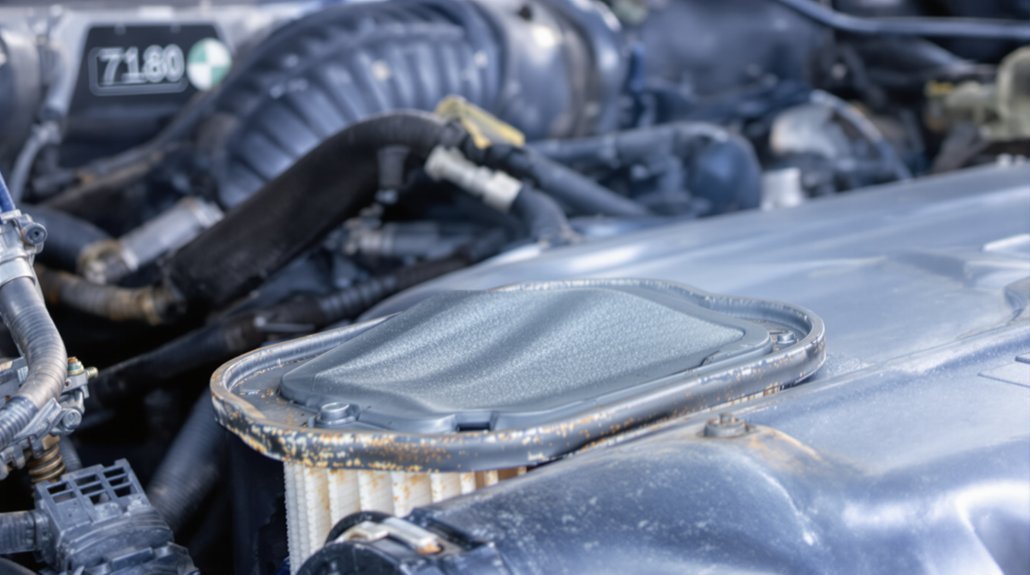
Strange engine noises can tip you off to a clogged air filter before other symptoms become obvious. When your filter becomes blocked, it disrupts the air-fuel mixture your engine needs to run smoothly. You might hear spitting, popping, or coughing sounds at idle—these are telltale signs that something’s restricting airflow.
Listen for whistling or suction noises near the intake area. These sounds indicate your engine is struggling to pull in enough air. You may also notice rough idling, intermittent misfires, or popping under light acceleration.
During cold starts or low-speed driving, pay attention to unusual vibrations paired with a wheezing sound. This combination often points to severe filter contamination. If you’re hearing these noises and it’s been close to 12,000 miles since your last filter change, it’s time to inspect.
Check Engine Light Activation
Beyond those unusual sounds, your dashboard might also give you a warning—specifically through the Check Engine light. Dirty air entering your engine can disrupt the air-fuel mixture, triggering diagnostic trouble codes. Common culprits include P0171 or P0172, which indicate lean or rich fuel trim issues often linked to restricted airflow.
Here’s the thing: the Check Engine light isn’t specific. It won’t tell you directly that you need a filter change. You’ll need an OBD-II scanner to read the actual codes. If you’re also noticing black exhaust smoke, poor fuel economy, or rough idling, check your air filter first.
It’s a quick, inexpensive inspection that might solve the problem. After replacing a clogged filter, clear the codes and monitor whether the light returns.
Decreased Engine Performance and Sluggish Acceleration
Sluggish acceleration often signals that your engine isn’t breathing properly. When your air filter is clogged, the engine can’t pull in enough air to mix with fuel efficiently. You’ll notice decreased engine performance most when climbing hills or merging onto highways—situations where your vehicle needs extra power.
A dirty filter forces your engine to work harder while delivering less. You might experience hesitation when pressing the gas pedal or jerky responses during normal driving. Some drivers notice their 0–60 times increase or their top speed drops unexpectedly.
Manufacturers typically recommend replacing your engine air filter every 12,000 miles or 12 months. If sluggish acceleration appears alongside black sooty exhaust or fouled spark plugs, inspect your filter right away. A simple replacement often restores lost power.
Black Smoke or Soot From the Exhaust
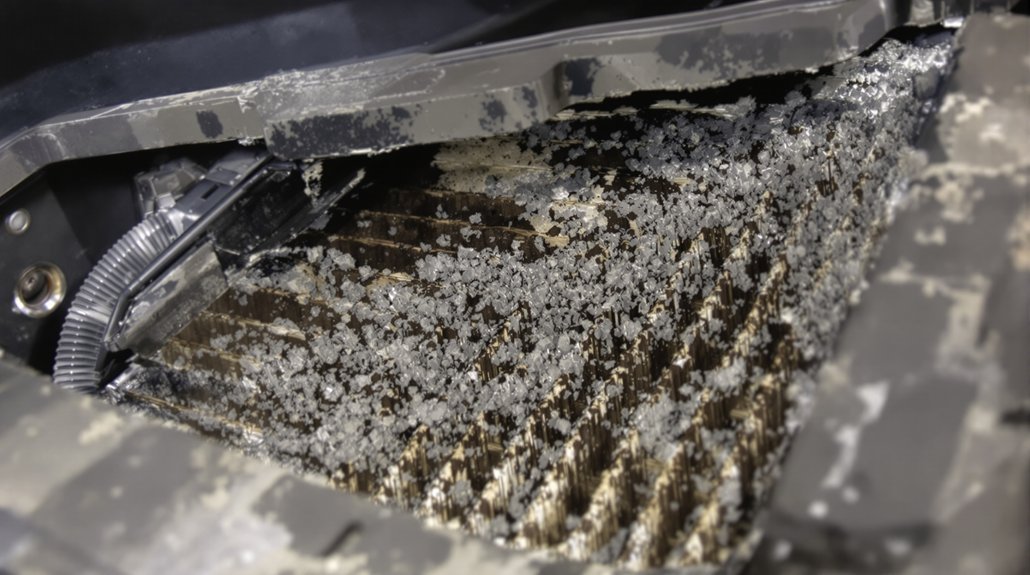
Another telltale sign of a clogged air filter shows up right behind your vehicle: black smoke or soot billowing from the exhaust. When you notice black or sooty smoke, especially during acceleration or climbing hills, your engine is running too rich. This happens because reduced air intake forces the engine to burn excess fuel without enough oxygen.
You’ll often see this problem paired with decreased fuel economy and rough idling. The incomplete combustion also deposits black residue on your spark plugs, which can cause misfires.
If you spot persistent black exhaust clouds, you likely need to replace your air filter soon. However, if the smoke continues after installing a fresh filter, have a mechanic check your fuel injectors and sensors for other potential causes.
When to Schedule Your Air Filter Replacement
Knowing exactly when to schedule your air filter replacement helps you avoid costly repairs and keep your engine running smoothly. You should change your engine air filter every 12,000 miles or 12 months under normal conditions. If you drive on dirt roads frequently, inspect/replace it more often.
| Filter Type | Standard Interval | Inspect Sooner If |
|---|---|---|
| Engine Air | 12,000 miles/12 months | Dusty conditions |
| Cabin Air | 12 months | Odors or reduced airflow |
| Both | During oil changes | Visible debris or discoloration |
Make it a habit to have both filters checked on a regular basis during routine maintenance. This proactive approach catches problems early and prevents secondary damage to your engine or HVAC system.
Frequently Asked Questions
How Do I Tell if I Need to Change the Air Filter?
You can do a quick DIY inspection by pulling out the filter and holding it up to light. If the filter material looks dark gray or clogged with debris, it’s time for a swap.
Other signs include reduced acceleration, worse fuel economy, or cabin odors when the fan runs.
A clean filter should appear off-white or light tan—anything darker signals replacement is overdue.
What Does a Car Air Filter Look Like When It Needs to Be Changed?
A car air filter that needs replacing typically looks gray or black instead of its original white or cream color.
You’ll notice dirty pleats packed with dust, pollen, or oily residue.
Check for visible debris like leaves or bugs trapped in the folds.
A collapsed frame or tears along the edges means it’s no longer sealing properly.
Hold it up to light—if nothing shines through, it’s time for a new one.
How Often Should Your Air Filter Be Replaced?
You should replace your engine air filter every 12,000 miles or follow a seasonal schedule of about once per year.
Your cabin filter needs the same yearly attention, especially if you have indoor allergies—a fresh filter traps pollen and dust before they enter your vehicle.
Check your vehicle mileage and driving conditions. Dusty roads or off-road trips mean you’ll need to swap filters more frequently.
How Do I Know if My AC Needs a New Filter?
Check your filter monthly for visible gray discoloration or dust buildup—that’s one of the clearest filter indicators.
You’ll also notice airflow reduction from your vents, meaning rooms take longer to cool.
A noise increase from your system working harder is another sign.
If you’re seeing more dust on furniture or experiencing allergy flare-ups, your filter’s likely clogged and needs replacing right away.
Bottom Line
You’ve now got the knowledge to spot a worn-out air filter before it causes real problems. Whether you notice dark discoloration, hear unusual engine sounds, or see your gas mileage dropping, don’t wait to act. Most filters need replacing around 12,000 miles, but your driving conditions matter too. Check yours every few months, and you’ll keep your engine running smoothly for years to come.